
Most people comparing storage in Lakewood, WA compare the wrong number. They line up monthly rates, pick the cheapest unit, and find out later that the rate was an introductory price, that insurance was mandatory, and that the real expense was paying movers to handle the same furniture twice.
Short-term and long-term storage are priced off the same rate card, but they are not the same decision. This guide covers what storage actually costs in Lakewood, the fees that are not in the advertised price, how to pick a unit size, and when a military entitlement means you should not be renting a unit at all.
1. What Storage Costs in Lakewood, WA Right Now
Advertised rates for Lakewood self storage cluster in a fairly tight band, though they vary by several dollars depending on which listing site you check and whether the unit carries a promotional rate or a street rate.
| Unit size | Advertised monthly range | Roughly what fits |
|---|---|---|
| 5×10 | $58 to $90 | A studio, or boxes plus a few furniture pieces |
| 10×10 | $118 to $164 | A one or two bedroom apartment |
| 10×20 | $188 to $269 | A three bedroom house or a full garage |
These are advertised street rates gathered from national listing sites during 2026, not quotes. Treat them as a planning range. The listing sites in this market also show climate-controlled and standard units at nearly identical averages, which usually means the data is not separating the two rather than that climate control is free.
2. Choosing the Right Unit Size in Lakewood
Renting one size too large is the most common and most forgivable mistake. Renting one size too small is worse, because you end up with a second unit or a frantic reshuffle on move day.
Measure by Furniture, Not by Bedrooms
Bedroom counts are a rough guide at best. A two bedroom apartment with a sectional, a dining set and a treadmill needs more space than a three bedroom house that has already been decluttered. Count the large items first, because those set the footprint. Boxes fill the gaps around them.
Leave an Aisle If You Need Access
If you plan to pull things out during the storage period, you need a walkway down the middle, and that costs you roughly a quarter of the usable floor. Factor it in before you book. A 10×10 you can walk into holds about as much as a 10×8 packed solid.
Height Is Space You Already Paid For
Most units run eight feet or higher and most people stack to shoulder height. Sturdy boxes on the bottom, lighter ones up top, and nothing fragile load bearing. Using the full height is often the difference between a 10×10 and a 10×15.
3. Short-Term Storage: You Are Paying for a Gap, Not for Space
Short-term storage means weeks to about three months. Closing dates that slipped, a lease that ends before the next one starts, a PCS date that does not line up with housing. In every one of these the storage is a bridge, and the monthly rate is the smallest part of the bill.
The Cost That Does Not Appear on the Rate Card
A self storage unit means your belongings get handled twice. Loaded off the truck into the unit, then loaded out of the unit onto a truck again weeks later. That second handling is labor you pay for, and on a two or three bedroom home it will usually cost more than two months of the unit itself. It is also where damage happens, because every extra load and unload is another chance to catch a doorframe.
This is why short gaps are often cheaper through a moving company than through a self storage unit, even when the storage line item looks higher. The shipment stays in vaults or stays loaded, and it is handled once going in and once coming out rather than four times in total. We walk through the same problem from the other side in our post on short-term storage during a move.
When a Unit Still Makes Sense Short-Term
Rent the unit when you need to get at your things. If you are pulling out seasonal clothes, tools, or paperwork during the gap, you want a door you can open on a Saturday. Storage held by a mover is usually not accessible without notice, and that tradeoff is the real difference between the two options.
4. Long-Term Storage: When the Monthly Rate Takes Over
Past about four months the arithmetic flips. The double handling cost is fixed, it happened once, and from there you are paying rent every month. A 10×10 at $150 is $1,800 over a year. Two things decide whether that number holds.
Climate Control in a Wet Climate
Western Washington is damp for most of the year, and an unheated metal unit swings with the outside air. Solid wood furniture, upholstered pieces, electronics, instruments, photographs, and anything paper are the things that suffer. For three weeks it rarely matters. For eighteen months it decides whether your dining table comes out the way it went in. Price climate control against what you are storing, not against the cheapest unit on the lot.
The Rate You Sign Is Rarely the Rate You Pay
Introductory pricing is standard in this industry and the increase is usually not a surprise to the facility. Reported post-promotion increases commonly land somewhere around 10 to 25 percent, often arriving between months three and six, with about 30 days of notice. Ask for the post-promotional rate and the notice period in writing before you sign. A facility that will not put it in writing has told you something useful.
5. The Fees That Are Not in the Advertised Price
Build your comparison on the total first-month cost rather than the headline rate. These are the line items that turn a $118 unit into something else.
- A one-time administrative fee, commonly in the $10 to $30 range
- Tenant protection, often required rather than optional, and typically $10 to $30 a month
- A facility-specific disc lock you may be required to buy rather than bring
- The post-promotional rate increase, and how much notice you get before it lands
- Whether your existing renters or homeowners policy already covers stored goods
Check your own policy before you accept the facility’s coverage. Some renters and homeowners policies already extend to belongings held off premises, and you may be paying twice for the same protection.
6. Military Storage in Lakewood: SIT and NTS Change the Math
Lakewood sits next to Joint Base Lewis-McChord, and a large share of storage demand here is PCS driven rather than civilian. If you are moving on orders, the government may already be paying for storage, and renting a unit out of pocket can be money you did not need to spend. Our guide to PCSing into Joint Base Lewis-McChord covers the wider move, and this section covers the storage piece of it.

Storage in Transit
SIT is temporary storage attached to your shipment, generally authorized for 90 days on a PCS. Extensions are requested through your local transportation office and are not automatic. Military OneSource is the clearest official starting point for the current entitlement.
Published guidance differs on how far SIT can be extended, so confirm your own authorization in DPS or with the JBLM Transportation Office rather than relying on a storage company’s summary of the rules.
Non-Temporary Storage
NTS is the long-term option, typically authorized for the length of the tour, with a separate window for members who are separating or retiring. If you qualify for NTS, a commercial long-term unit in Lakewood is usually the more expensive way to solve the same problem. Check the entitlement before you sign a lease on a 10×20.
7. Short-Term vs Long-Term Storage Side by Side
| Short-term, under 3 months | Long-term, 6 months or more | |
|---|---|---|
| What drives the cost | Handling the goods twice | The monthly rate, compounded |
| Climate control | Usually optional | Usually worth paying for |
| Access | Often matters | Rarely matters |
| Better fit | Storage held by your mover | A rented unit, or NTS if you qualify |
| Watch out for | Labor on the second load | The post-promotional rate increase |
The dividing line sits around three to four months for most households. Under it, minimize handling. Over it, minimize rent.
8. Storing Through Your Mover Instead of a Unit

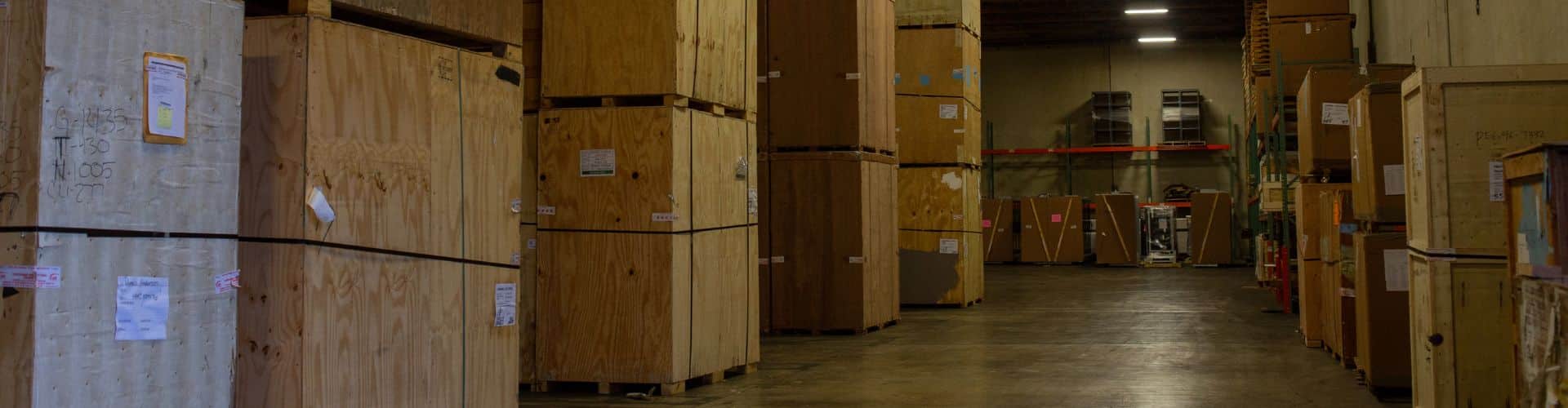
We run storage and logistics warehousing out of our own facility, which means a Lakewood move with a gap in the middle stays one job with one inventory rather than two bookings and a rental truck.
Military moving is the largest part of our business, so SIT and NTS shipments are routine work here rather than an exception. If you are weighing a unit against storage through your mover, the question to ask is how many times your furniture gets picked up, because that is the number that decides the bill.
Frequently Asked Questions About Storage in Lakewood, WA
How much does a storage unit cost in Lakewood, WA?
Advertised rates run roughly $58 to $90 for a 5×10, $118 to $164 for a 10×10, and $188 to $269 for a 10×20. Those are street rates from listing sites rather than quotes, and the first-month price is often promotional.
Is short-term or long-term storage cheaper?
It depends on how long the gap is. Under about three months the dominant cost is handling your belongings twice, so storage through your mover usually wins. Past six months the monthly rent dominates and a rented unit is normally cheaper.
Do I need climate controlled storage in Western Washington?
For long-term storage, usually yes. The region is damp most of the year and an unheated unit tracks the outside air, which is hard on wood furniture, upholstery, electronics, paper and photographs. For a few weeks it rarely matters.
Does the military pay for storage during a PCS?
Often yes. Storage in transit is generally authorized for 90 days on a PCS, and non-temporary storage is typically authorized for the length of the tour. Confirm your own entitlement in DPS or with the JBLM Transportation Office before renting a unit out of pocket.
What size storage unit do I need for a two bedroom home?
A 10×10 covers most one and two bedroom apartments. Count your large furniture first rather than going by bedroom count, and add space for a walkway if you need to reach things during the storage period.
What fees do storage facilities add to the advertised rate?
Commonly a one-time administrative fee, required tenant protection, and sometimes a facility-specific lock. The larger cost is usually the post-promotional rate increase, which often arrives between months three and six.
Get a Storage and Moving Quote in Lakewood, WA
Tell us what you are storing, how long the gap is, and whether you are moving on orders. We will quote the storage and the move together rather than separately, because quoting them apart is how people end up paying for the same handling twice.
Golden Services LLC covers Lakewood and the wider South Puget Sound region, so check the other areas we cover to see if we serve your origin or destination city.
