
Container drayage is the short haul that moves your box from the marine terminal to a warehouse, a rail ramp, or your own dock. At the Port of Tacoma it is also where most of the avoidable cost in an import sits, because three separate clocks start running the moment your vessel discharges. Miss one and the storage charges can outrun the freight bill.
This guide covers how the Tacoma terminals are set up, which charges come from whom, how to choose between a live unload and a transload, and what to have ready before you book a truck.

1. What Drayage Covers at the Port of Tacoma
Drayage is a single short move, usually under 100 miles, between the marine terminal and the next point in your supply chain. It is not long haul trucking and it is not warehousing. It is the link that connects the two, and it is billed on its own terms.
A Tacoma drayage move normally includes the gate transaction, the chassis, the line haul to your delivery point, and the return of the empty container. What it does not include is the ocean carrier’s equipment charges or the terminal’s storage charges. Those are separate and they are covered further down.
The Port of Tacoma is the South Harbor of the Northwest Seaport Alliance, the partnership that also runs the Seattle terminals as the North Harbor. The two harbors sit roughly 30 miles apart and they are not interchangeable. A container discharged in Tacoma is picked up in Tacoma, under Tacoma gate hours, on a chassis that started in Tacoma.
2. The Three Container Terminals at the Port of Tacoma
Tacoma’s South Harbor handles international container volume through three main terminals. Knowing which one your box landed at is the first question any drayage provider will ask, because gate hours, appointment rules and chassis arrangements all differ.
Husky Terminal
Husky runs its own gate schedule and publishes its own operator tariff, separate from the Alliance tariff. It has periodically offered hoot gates and night gates on specific dates to clear volume. Those are announced through the Alliance trucker updates page rather than set as a standing schedule, so a night gate you used last month may not run this month.
Washington United Terminals
WUT publishes its own terminal tariff, updated most recently in June 2026. It states plainly that free time and wharf demurrage are set by the Alliance tariff and can change at the discretion of the Port of Tacoma. That is worth knowing before you build a fixed number of free days into a landed cost model.
Pierce County Terminal
PCT operates on the same per terminal model, with its own gate and appointment handling. Published PCT appointment detail is thin, and some of what circulates online dates back several years. Confirm current slot length and grace period with the operator rather than with a carrier blog.
3. How Appointments Work, Per Terminal and Not Per Port
There is no single Port of Tacoma appointment queue. Each terminal runs its own portal, so every container has to be booked against the specific terminal it landed at. Husky books through eModal, with export load slots opening several days in advance.
Appointment rules are also not uniform across move types. At Husky, appointments have applied to grounded imports worked by rubber tyred gantry and to export loads, while empty pickups have not required one. Slots have run one hour long with a grace period on either side of the booked time.
Those rules change. Treat them as the shape of the system rather than as today’s policy, and check the Alliance trucker resources page before you dispatch. A missed appointment usually means the box waits until the next available slot, and the free time clock does not pause while it waits.
4. Free Time, Demurrage and Per Diem Are Three Different Clocks
Most shippers who get a surprise invoice have confused these three. They are billed by different parties, on different triggers, and stopping one does not stop the others.
Free Time and Wharf Demurrage
Free time is the window your cargo can sit on terminal property without a storage charge. It is governed by Northwest Seaport Alliance Terminals Tariff No. 300, with the free time provisions at Item 230.000 and the counting rules at Item 230.100. The current edition took effect 18 January 2026.
The counting rule is the part people miss. Free time starts at the first 7 a.m. occurring after the freight is received, not at the moment of discharge. A late afternoon discharge does not buy you an extra day.
Once free time expires, wharf demurrage is assessed on cargo still on terminal facilities unless storage has been arranged. Cargo that exceeds free time needs permission from the Alliance service delivery operations division to stay. One trap is worth naming. WUT’s tariff states that a customer who waives or extends free time still owes wharf demurrage to the port. An arrangement with the terminal is not the same as the charge going away.
Per Diem and Detention
Per diem is charged by the ocean carrier for keeping its container past the allowed days, and it keeps running after the box leaves the terminal. Wharf demurrage is about the ground the box is sitting on. Per diem is about the box itself.
Pulling a container off terminal on the last free day stops one clock and does nothing to the other. That is why a container parked in your own yard for three weeks is still costing money even though the terminal has stopped billing you.
A Worked Example
A box discharges Tuesday at 4 p.m. Free time starts Wednesday at 7 a.m., not Tuesday. You pull it on the last free day and deliver it to your own warehouse, where it sits for nine days before anyone strips it. The terminal bills you nothing, because you were out in time. The ocean carrier bills you per diem for most of those nine days, because its container was in your possession the whole time. The fix is not a faster gate move. It is stripping the box sooner.
5. Chassis Supply and What It Costs You
Chassis are sourced through providers such as Direct ChassisLink, TRAC Intermodal, and Flexi-Van, with pool access where the terminal supports it. Chassis start and stop locations vary by terminal, and that detail decides whether a drayage move is one clean turn or two.
Ask your provider which pool they will use and where the chassis comes back. A chassis that has to be returned across the harbor eats the margin on a short haul, and that cost reaches you either as a higher rate or as a slower turn.
Chassis are also billed per day in most arrangements, which means a container sitting on a chassis in your yard is running a third meter alongside per diem. If you are holding boxes rather than stripping them, grounding the container and releasing the chassis is usually the cheaper position.
6. Live Unload, Drop and Pick, or Transload
These three options cost different amounts and suit different operations. Choosing the wrong one is a common and expensive mistake.
Live Unload
The truck delivers, waits while you strip the container, and takes the empty straight back. It is the cheapest option on paper because there is one trip. It only works if you can unload inside the free waiting window, usually a couple of hours. Past that, waiting time is billed by the hour and the saving disappears.
Drop and Pick
The truck drops the loaded container at your site and collects it later. You get flexibility, and you pay for it twice over. There are two trips instead of one, and per diem keeps running the entire time the box sits with you. Drop and pick suits operations with limited dock labor and short hold times.
Transload
The container is pulled to a nearby warehouse, stripped there, and the freight is reloaded into domestic trailers. The empty goes back to the terminal within hours. Transload costs more in handling and almost always wins on total cost when the freight is moving more than a few hundred miles, because you stop paying ocean carrier equipment charges almost immediately and you can load domestic trailers to higher weights.
7. Why Fife Is the First Stop for Most Tacoma Containers
Fife sits immediately outside the Port of Tacoma gate, between I-5 and State Route 99, and it has become the default first stop for Tacoma import volume. Industrial development in the city sits within a few miles of the terminals, including customs bonded warehouse space on 26th Street East, and newer buildings have gone up under two miles from I-5 and the port.
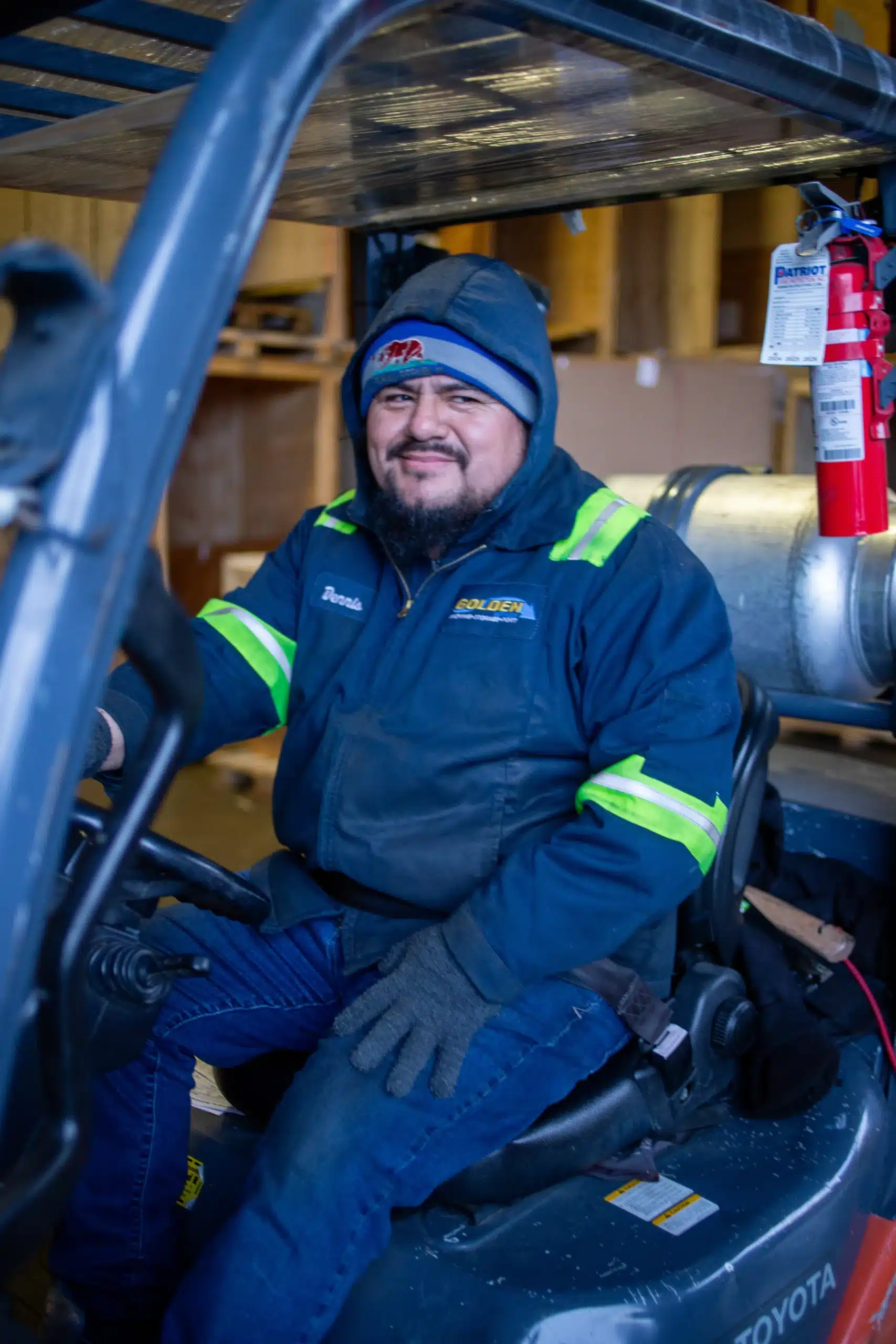
The reason that matters to a shipper is arithmetic. Pulling a container to a Fife warehouse and stripping it there turns an expensive piece of ocean carrier equipment back in hours rather than days, and it moves your inventory onto cheap floor space instead of leaving it on a terminal paying demurrage. The same logic drives business moves in the region’s industrial corridors.
One caution on routing. The Port of Tacoma Road interchange at I-5 Exit 136 is in the middle of a multi year rebuild expected to run into 2029, with overnight ramp closures and 54th Avenue East at Exit 137 serving as the posted alternate. Build that into your gate timing rather than discovering it on a night pull.
8. What to Have Ready Before You Book Drayage
A drayage provider can usually quote inside an hour if you hand over the right six things. Missing any of them is how a container ends up sitting through its free days while people trade emails.
- Container and booking numbers, with the terminal the box discharged at
- Vessel and estimated discharge date, plus the last free day if the carrier has issued one
- Customs status, and whether the entry is cleared or still pending
- Weight and commodity, so the provider can confirm legal axle loading
- Delivery address, receiving hours, and whether the site has a dock or needs a liftgate
- Whether you want the container stripped and transloaded or delivered live
Rates and free time terms change, and published figures go stale quickly. Verify the current free time against the Alliance tariff and the current per diem against your ocean carrier’s contract before you commit to a landed cost.
9. Drayage Mistakes That Cost Money
Booking the Truck Before Customs Clears
A container that is not cleared cannot leave the terminal. Booking a slot against an uncleared entry burns the appointment and sometimes a dry run charge. Confirm the entry status first, then book.
Treating the Last Free Day as the Target
Aiming to pull on the last free day leaves no margin for a missed appointment, a gate closure, or a chassis shortage. Any one of those pushes you into demurrage. Aim a day or two earlier.
Holding Containers Instead of Stripping Them
A loaded container in your yard is cheap storage right up until you look at the per diem and chassis invoices. If the freight is not moving within a day or two, transloading it is almost always cheaper than holding the box.
Frequently Asked Questions About Port of Tacoma Drayage
How far in advance should I book drayage from the Port of Tacoma?
Book as soon as you have the vessel discharge date and a cleared customs entry, which is usually three to five days ahead. Appointment slots at the Tacoma terminals are finite and fill unevenly, and booking early gives you room to rebook if a gate closes.
What is the difference between demurrage and per diem?
Demurrage is charged by the terminal for cargo sitting on terminal property after free time ends. Per diem is charged by the ocean carrier for keeping its container past the allowed days, wherever that container is. They run on separate clocks and you can be paying both at once.
When does free time start at the Port of Tacoma?
Free time starts at the first 7 a.m. occurring after the freight is received, under NWSA Terminals Tariff No. 300. It does not start at the moment of discharge, so an afternoon discharge does not add a day.
Do all three Tacoma terminals use the same appointment system?
No. Husky, WUT and PCT each run their own gate and appointment handling, so a container has to be booked against the terminal it discharged at. There is no single port wide queue.
Is transloading in Fife cheaper than delivering the container direct?
Usually, when the freight is travelling more than a few hundred miles. Transloading returns the ocean carrier’s container within hours, which stops per diem early, and domestic trailers can be loaded to higher weights than a marine container.
Can you handle drayage and warehousing together?
Yes. We run drayage and logistics warehousing from Fife, which means the pull, the strip and the storage happen under one booking rather than three.
Move Containers Out of Tacoma Before the Charges Start
We run drayage and port services out of Fife, a few minutes from the Port of Tacoma gate, with warehousing on the same side of the fence for shippers who need to strip a container and hold the freight.
Send us the container number, the terminal, and the last free day, and we will tell you what the turn looks like and what it costs. Golden Services LLC also covers the wider South Puget Sound region, so check the other areas we cover if your delivery point sits outside Pierce County.
